YOUR BAG

🚨🌎 Your cart is empty.
Parametric Architecture’s exploration of sustainable transportation spotlights cutting-edge innovations that are redefining urban mobility. The article examines how intelligent design, advanced materials, and green technologies are converging to shape efficient, eco-conscious transit solutions. From electric vehicles to modular public infrastructure, it highlights global examples that reflect a commitment to reducing emissions and improving city life, inspiring readers to envision a future where sustainability and design excellence move in tandem.
For decades, haute living has been defined by how you travel as much as where you arrive. But in an era marked by acute environmental awareness, the definition of distinguished transportation is shifting. Vehicles that combine forward-thinking sustainability with architectural ingenuity now form the vanguard of contemporary luxury. Places and people of influence are turning toward eco-conscious solutions not as a compromise but as the new currency of sophistication. Nowhere is this better illuminated than in the visionary projects showcased by Parametric Architecture’s deep-dive into sustainable transportation.
The traditional signifiers—chrome-plated sedans, panoramic yachts, and even private jets—are still highly coveted. But environmental sensibility is fast becoming central to high-caliber travel. The discerning traveler or collector understands that the journey must not only be remarkable, but responsible. In this crossover, sustainable mobility emerges not simply as pragmatic, but as a statement of cultural literacy, aesthetic judgment, and ethical engagement.
Parametric Architecture’s curation offers compelling case studies in this new lexicon. Gone are the days when eco-friendly implied bland or utilitarian. Today’s leaders in sustainable transport fuse sleek lines, advanced materials, and digital innovation into seamless gestures of modernity—proof that sustainability and beauty are mutually reinforcing, not mutually exclusive.
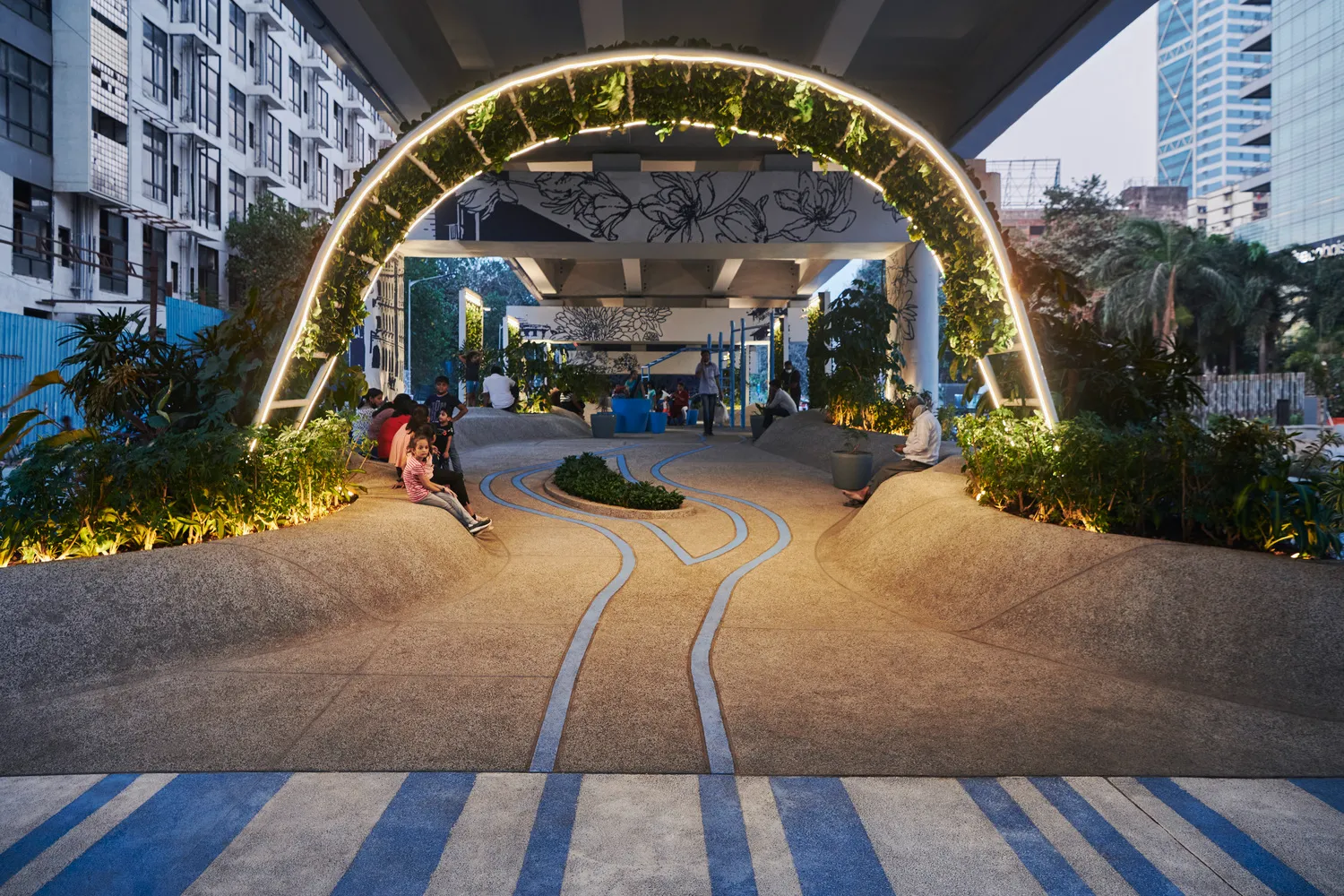
The transformation is visible across every mode of travel. On the ground, urban planners and designers have begun a quiet revolution. Take the solar-powered tram systems now winding through European capitals, or the conceptual Hyperloop portals that evoke soaring cathedrals of glass and steel. The infrastructure itself becomes part of a city’s cultural identity, a canvas for architects whose imaginative prowess rivals that of leading art institutions.
Meanwhile, personal mobility is undergoing its own metamorphosis. Electric hypercars, such as those produced by Rimac and Lotus, are not just fast or functional. They are objects of desire—finely tuned and meticulously detailed, with interiors that draw inspiration from couture fashion and sculpture. For those who prefer an urban thrill, e-bikes and micro-mobility vehicles designed with parametric modeling challenge the conventional aesthetics of city commuting, rendering every ride a minor act of performance art.
On the water, the silent glide of electric yachts signals a new era of marine travel. Pioneering vessels like the Arc One are equipped with zero-emissions propulsion and sport interiors reminiscent of a minimalist gallery in Stockholm or Milan. These crafts reflect a new philosophy—reverence for both nature and design, and a deliberate rejection of excess for its own sake.
Even the skies are not untouched by disruption. Concepts for solar-powered airships and short-haul electric jets are already capturing the imaginations of aviation buffs and sustainability advocates. With airports themselves now integrating living walls, natural light, and recycled materials, the environmental consciousness envelops the entire experience, extending luxury beyond mere comfort to a sense of collective responsibility.
It is not only the macro structures that captivate. The tactile and technological details in these vehicles and systems signal a renewed attention to craft. Bamboo composites, vegan leathers, additive manufacturing techniques, and regenerative braking systems change the physical and ethical texture of each design. Infotainment systems integrate seamlessly with personal devices, while adaptive lighting and climate controls personalize the environment. This calibration of detail ensures that sustainable transportation is not simply “greenwashed,” but genuinely enriching.
Parametric design—a method that leverages computational algorithms to optimize form, function, and efficiency—lies at the heart of this renaissance. From wind-cheating bicycles to organically shaped bus shelters, parametricism introduces a bold new visual language. Architects and mobility designers are liberated to address not just ecology or ergonomics, but the emotional and cultural dimensions of travel.
For those who value both rarefied luxury and meaningful progress, sustainable transportation offers an invitation: to travel with a lighter footprint, without relenting on taste or comfort. The projects assembled by Parametric Architecture suggest that the answer lies not in nostalgia, but in embracing advanced, elegant forms of movement.
As cities and private collectors alike invest in these new forms of mobility, a fresh status symbol emerges—the capacity not only to arrive, but to do so consciously. This is refinement for a new generation. Inquire not just where you’re going, but how you will get there—and let that choice, exquisitely rendered, speak volumes about the future you wish to inhabit.