YOUR BAG

🚨🌎 Your cart is empty.
Piero Lissoni’s transformation of the Dorothea Hotel in Budapest exemplifies refined sophistication, blending three centuries of architecture into a harmonious, modern sanctuary. By thoughtfully honoring the site’s 18th, 19th, and 20th-century roots while infusing contemporary design, Lissoni creates an alluring narrative of past and present. Every space emphasizes tactile materials, layered textures, and curated artworks, inviting guests to experience the city’s vibrant history through an immersive, cosmopolitan lens.
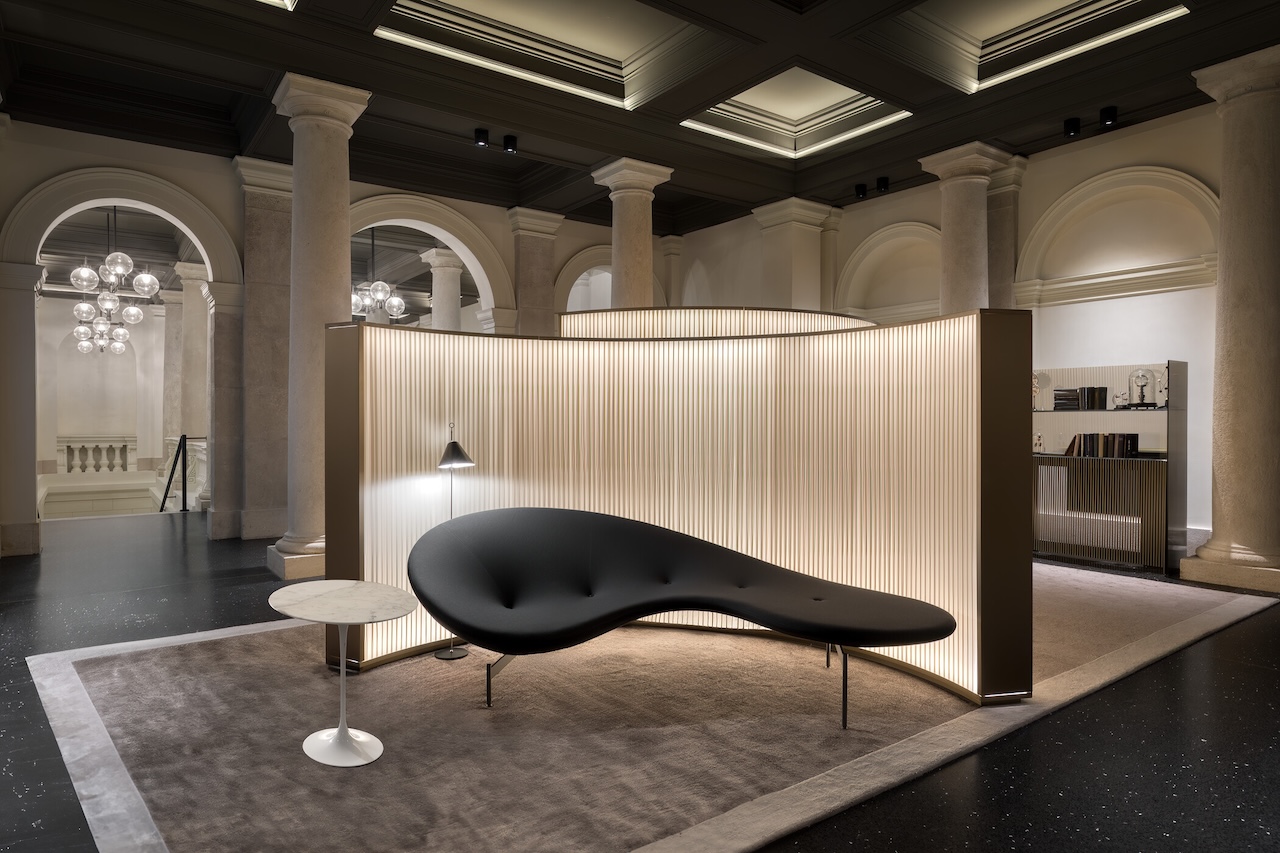
Budapest has always been a city where history and modernity embark on intricate waltzes. Nestled among its stately avenues and storied architecture, a new hotel project by renowned Italian architect Piero Lissoni is making waves. This property, recently featured on Design Milk, is more than just a place to stay—it is a thoughtfully composed tapestry, weaving together the threads of three different centuries into a singular, arresting experience.
Arriving at this Budapest address, one is immediately alerted that the hotel is no ordinary destination. The original 19th-century facade, meticulously restored, speaks of an era when grandeur was measured in limestone blocks and hammered ironwork. Stepping inside, the narrative deepens. Lissoni, always acutely aware of context, invites guests into a lobby where echoes of imperial glamour coexist with whispers of modern restraint. The interplay of ornate stucco, soaring ceilings, and contemporary interventions rewards the attentive: a marble surface softened by textured fabrics, a classical motif subtly reimagined in brushed steel.
Yet, Lissoni rarely opts for mere nostalgia. Instead, he approaches his Budapest hotel as a canvas on which decades converse. Under his direction, the walls themselves seem to tell stories—not just of their own making but of an evolving metropolis, rich with memories and innovation. Every detail participates in this conversation: from the meticulously preserved woodwork to the delicately integrated lighting, which casts gentle pools of illumination where old and new collide.
The heart of Lissoni’s design philosophy is a reverence for craftsmanship—not as heritage for its own sake, but as a bridge between epochs. The guest rooms, for example, eschew conventional luxury for a more curated, layered approach. Colors are subtle, inflected with cool gray and muted gold, allowing the city’s changing light to dictate mood. Italian-made furniture, sleek and quietly poised, punctuates the spaces. Ceramics, hand-blown glass, and custom joinery offer tactile rewards that encourage lingering, inviting guests to decode their origins and histories.
Lissoni’s spatial interventions are always considered, striking a delicate balance between grand gestures and intimate moments. Nowhere is this more apparent than in the public lounges, where the warmth of traditional Hungarian motifs finds a counterpoint in crisp, geometric lines. Plush seating arrangements beckon gatherings both formal and impromptu, while vast windows frame Budapest’s urban drama in a cinematic tableau. The effect is neither pastiche nor hyper-modern. Instead, the interiors suggest an ongoing, open dialogue—one that is sophisticated, cosmopolitan, and utterly of the moment.
Perhaps the most compelling aspect of this project is how it handles the passage of time. In less-skilled hands, the effort to merge architectural periods could dilute the clarity of the original structure or, conversely, reduce modern touches to mere afterthoughts. Lissoni, however, operates with a deftness and confidence that comes from decades at the forefront of European design. Every intervention is calibrated, every reference intentional. The result is an ambiance in which the grandeur of Budapest’s Belle Époque sits comfortably alongside the efficiency and subtlety of 21st-century aesthetics.
This careful curation continues into the wellness areas and in-house dining, where culinary traditions meet contemporary flair. Hungarian wines and cuisine are served in dining rooms that reference both local history and Milanese chic, proof that cultural dialogue is not limited to architecture alone.
Budapest has long been a magnet for those drawn to cities at the crossroads of innovation and heritage. With this project, Lissoni and his collaborators raise the bar for what hospitality can mean in such a setting. Rather than imposing a single vision, they have crafted a welcoming space that respects both the city’s illustrious past and its dynamic present. The property exists not as a monument, but as an invitation: to discover, to reflect, and to participate in the ongoing story of Budapest.
In Piero Lissoni’s hands, the hotel emerges as a living archive—a testament to the rewards of a patient, thoughtful engagement with history and to the exuberance that follows when design, culture, and ingenuity meet on fresh and equal terms. For the discerning traveler, it offers far more than luxurious comfort; it offers a vivid, tactile conversation with the essence of Budapest itself.