YOUR BAG

🚨🌎 Your cart is empty.
Loewe's Crafted World exhibition, recently unveiled in Shanghai and poised for Tokyo, exemplifies the brand’s commitment to artisanal excellence and creative storytelling. Through immersive installations and a focus on master craftsmanship, Loewe forges deeper connections with Asian luxury markets, blending heritage with contemporary appeal. This initiative not only elevates brand prestige but also highlights the evolving tastes of discerning consumers in Asia’s dynamic cultural landscape.
Few fashion houses can command attention with the quiet force and inventive energy of
. The Spanish heritage label — guided by the creative vision of Jonathan Anderson — has steadily become one of the most influential names in contemporary luxury, not by chasing trends, but by holding fast to the tactile and the tangible. Nowhere was this narrative more evocative than in Loewe’s “Crafted World,” an immersive touring exhibition that made its debut in Shanghai and now beckons the attention of Japan’s discerning market.
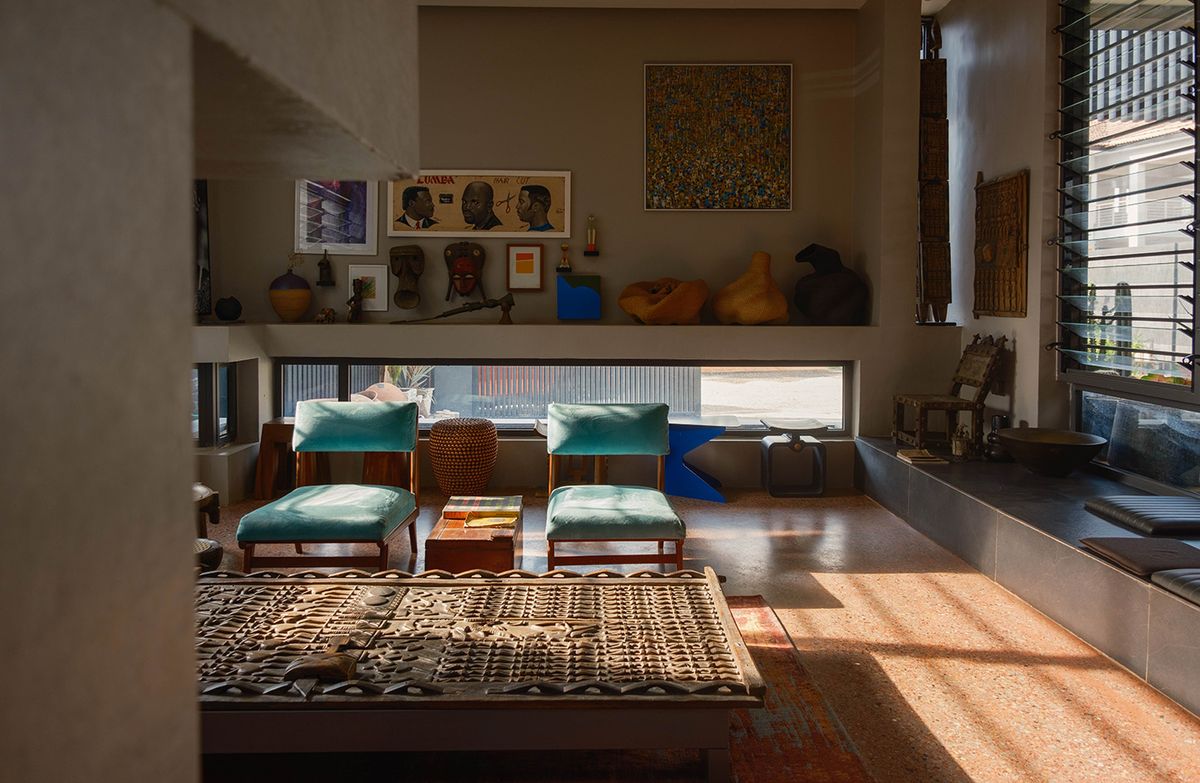
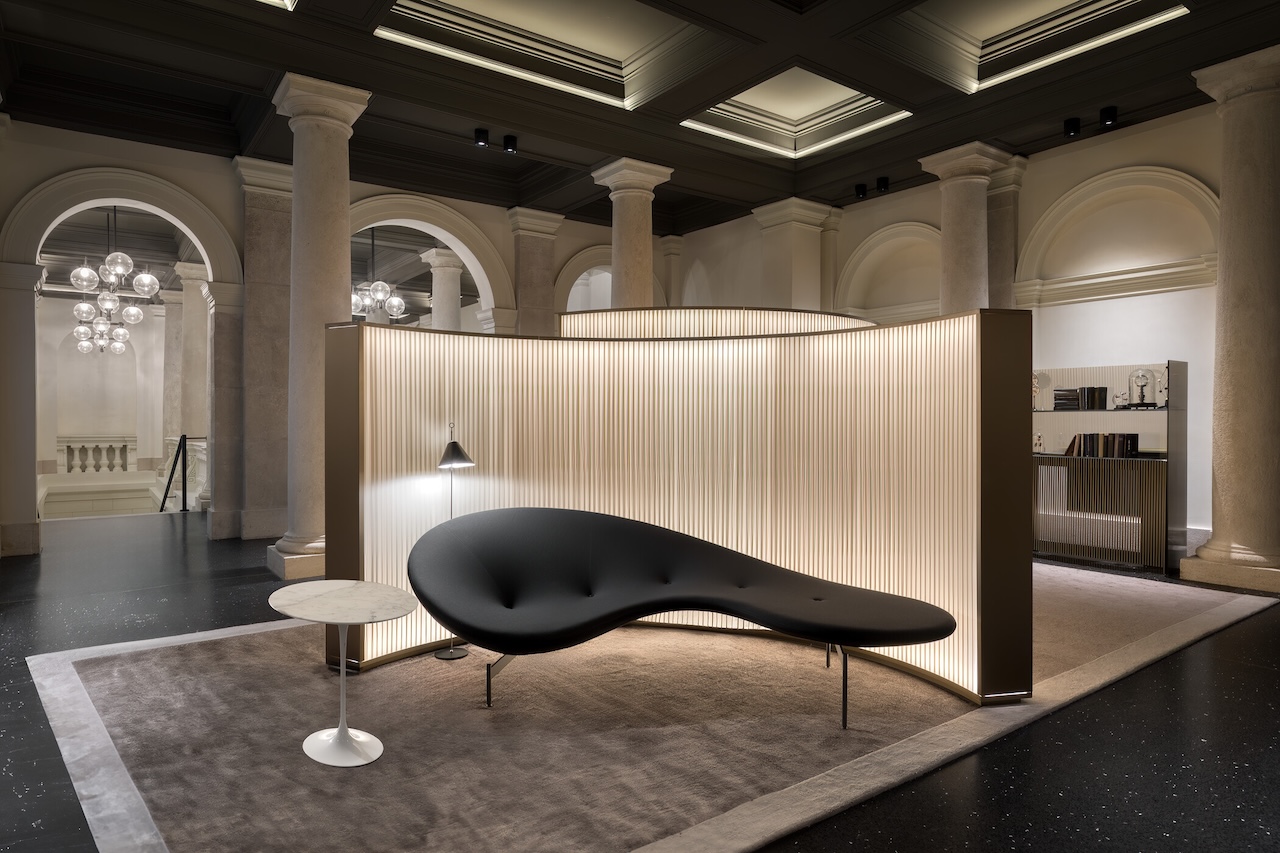
The exhibition is not simply a retrospective or brand showcase, but rather an invitation for audiences to witness — up close — the painstaking work that defines every Loewe creation. In an era where luxury brands often lean on abstracted lifestyle imagery, “Crafted World” boldly plants itself in the realm of substance. Visitors move through thoughtfully curated vignettes, each a world unto itself, revealing the house’s commitment to craft and innovation.
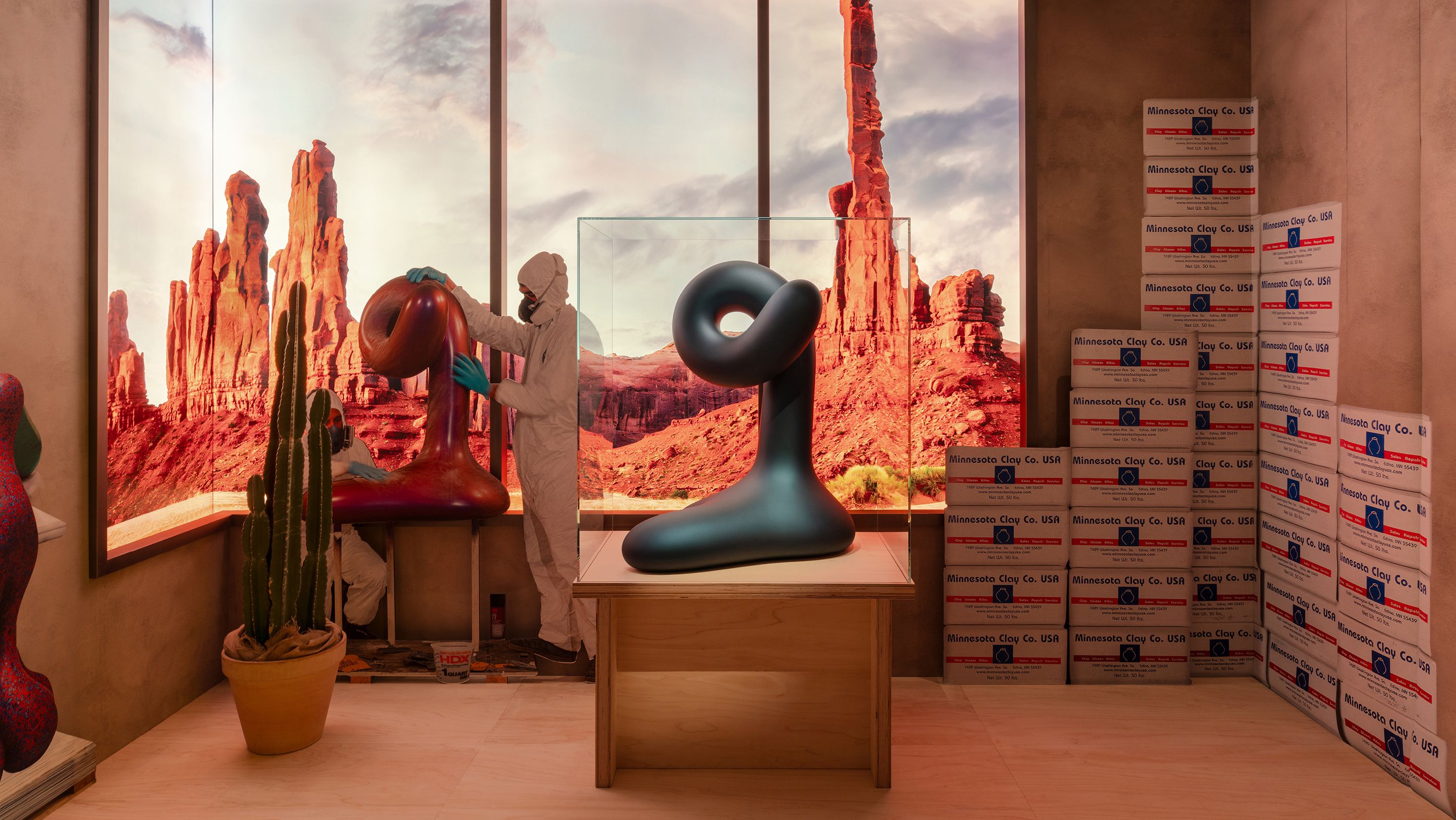
When “Crafted World” opened in Shanghai, it was a declaration of intent. China remains the crucible for global luxury, with a clientele that is exacting and profoundly aware of authenticity’s value. Loewe responded not with spectacle, but with an immersive environment that placed artisanship at its heart. Delicate installations shimmered — glass, leather, and thread twined together in unexpected dialogues — while master craftsmen performed live demonstrations.
It was a spectacle of process: bags assembled with an almost balletic precision, leathers molded, dyes mixed and applied by hand. Visitors found themselves both spectators and students as they passed through these living dioramas, rediscovering the value of time, patience, and touch. For Loewe, this was more than an opportunity to spotlight bestsellers like the Puzzle bag or the Flamenco clutch — it was a reminder that luxury, at its most compelling, is rooted in the human hand.
Loewe has never been a brand content with resting on laurels. At “Crafted World,” Spanish traditions are respectfully interpreted through a distinctly modern lens. The exhibition showcased the house’s collaborations with artists and craftspeople, including striking ceramic works and collaborations with basket weavers, blurring boundaries between fashion and fine art. Anderson’s curation gravitates toward the eclectic and unexpected. The visitor goes from century-old archive objects to kaleidoscopic modern ceramics, all the while maintaining a cohesive thread: a reverence for materiality.
Shanghai, with its mix of cosmopolitan energy and reverence for connoisseurship, was an ideal first stop. Yet the true test of “Crafted World” will come with its next destination: Tokyo. Japan’s market — fiercely protective of its own artisanal traditions — represents perhaps the most cultivated audience yet. Here, the immediate emotional resonance of craft is not merely appreciated; it is venerated.
Loewe’s journey towards Japan is more than a geographic extension; it is a strategic engagement with a culture that prizes craftsmanship above all. According to
, the exhibition’s next leg in Tokyo is poised to engage Japanese consumers not only through product but also through philosophy. The principles guiding Loewe — patience, detail, and the celebration of imperfection — align closely with Japanese tenets of wabi-sabi and shokunin.
By transporting its story from the bustling heart of Shanghai to the curated minimalism of Tokyo, Loewe is betting on a global community that wants more than surface-level appeal. They are catering to a clientele that asks for transparency and connection, seeking a tangible narrative behind every purchase. This is not rote repetition of “heritage,” but rather a living practice, where old-world expertise meets new world curiosity.
Staging “Crafted World” in key Asian cities is also an acknowledgement of where the future of luxury lives and breathes. Traditional flagships and digital strategy alone are no longer sufficient. The modern luxury consumer — particularly in China and Japan — demands experience, meaning, and education alongside acquisition.
Loewe’s presentation, with its tactile workshops and artist collaborations, offers more than marketing. It grants access to the brand’s soul, inspiring a deeper, more lasting connection. As “Crafted World” makes its way to Tokyo, it will no doubt become a litmus test for luxury’s evolving value proposition: can a brand give not just an object, but a story, and in doing so, create new devotees in the world’s most competitive markets?
In refusing to rush, in championing the quiet dignity of human skill,
offers a powerful counterpoint to the ephemeral moment — one where patience, artistry, and cultural conversation are the final arbiters of cool.