YOUR BAG

🚨🌎 Your cart is empty.
Filip Tacs curates a selection of furniture that redefines what it means to be essential, merging refined aesthetics with thoughtful functionality. Eschewing trends, each piece is chosen for its enduring design, quiet presence, and intelligent craftsmanship. The list invites readers to consider a more intentional approach to interiors, elevating everyday living through form and purpose rather than ornamentation. This edit serves as an inspiring guide for those seeking to invest in pieces that cultivate longevity, authenticity, and understated sophistication in their spaces.
To distill furniture to its most essential forms is a much greater act than mere subtraction. In the world of Filip Tacs, it becomes an exercise in restraint, wit, and nearly architectural principle. The designer—whose recent curation is affectionately titled “Not a Collection, Just a List of Filip Tacs’s Furniture Essentials”—displays an approach that is a far cry from the ornate or fleetingly trendy. Instead, Tacs’s method is foundational and quietly radical, upending one’s expectations for what remains once all unnecessary excess is stripped away.
First impressions matter: Tacs’s list comes unburdened by the language of exclusivity or conventional catalogues. Rather, it introduces each piece as an archetype, a study in what is strictly needed for dwelling, gathering, or retreat. There’s subtlety in the way each object is given space—both physically and conceptually—to breathe. If there’s a certain playfulness to his naming convention, his seriousness about materiality, craftsmanship, and context is unmistakable.
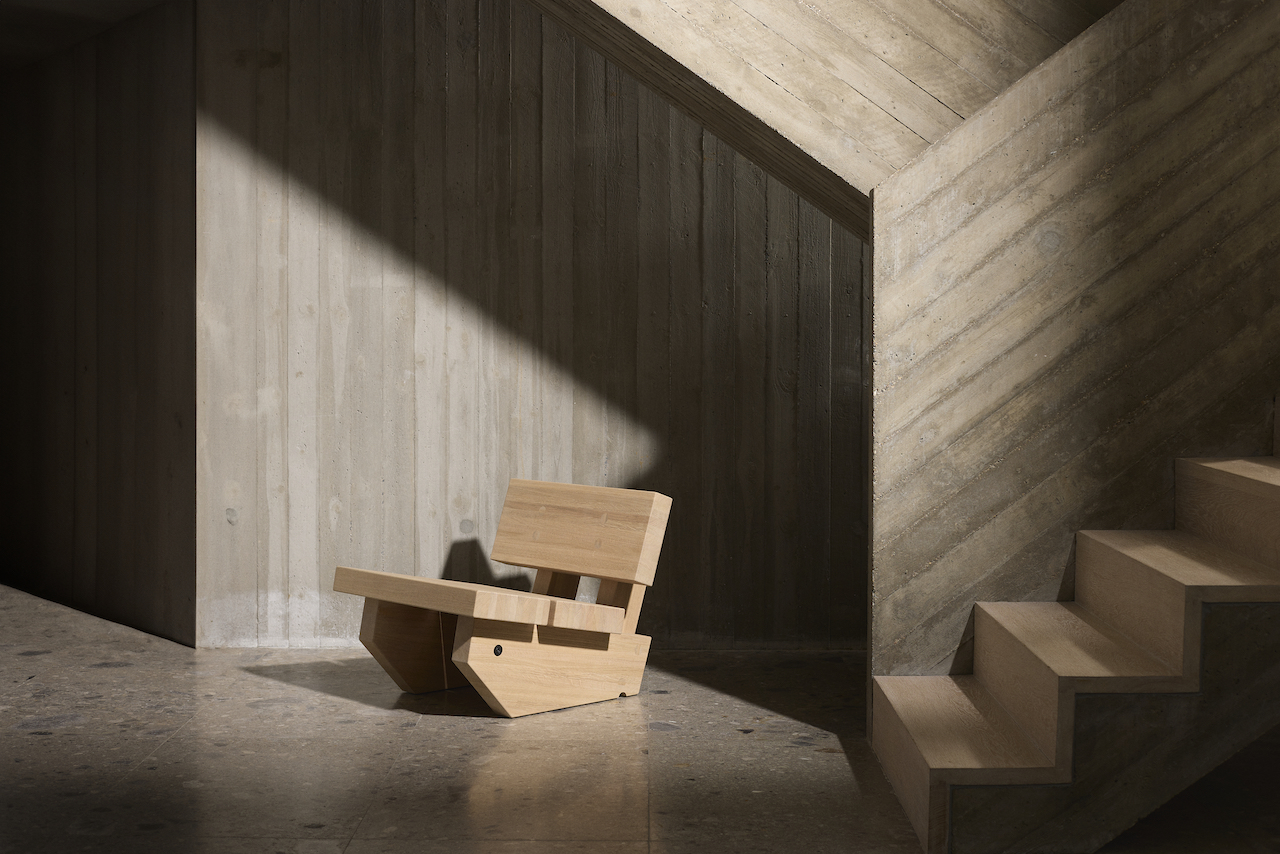
In Tacs’s world, chairs and tables become more than silent bystanders—they are protagonists. His choices do not clamor for attention through dominance or intricate ornamentation. The chair he selects, for instance, is laid bare, shown as a distilled version of itself: four legs, a platform, and a backrest. It is modest yet quietly self-assured, reminiscent of the Albanian countryside that inspires its geometry—where multiplicity of function is routine and aesthetics emerge organically from need.
A similar philosophy guides his preference for the table. Eschewing grand gestures in favor of clarity, Tacs opts for what he calls the “Essential Table.” This is not a place for elaborate dinner parties or ostentatious displays. Instead, its clean lines invite conversation and utility, serving as a silent partner to many possible occasions—solitude, work, or conviviality.
The dialogue between form and substance is crucial in Tacs’s curation. An acute sense of material integrity is omnipresent. Oak, for instance, is favored for its quiet durability. His approach to finishes—waxes, oils, and textures left tantalizingly raw—reinforces the promise that these objects will improve with age rather than diminish. What is implicit in Tacs’s list is a reverence for sensory experiences: the cool touch of ceramic, the yielding softness of wool, the matte tactility of unfinished wood.
This careful calibration extends to accessory pieces. Tacs’s lighting, for example, is never overwrought. Rather, it illuminates softly, inviting one to linger over a book or a glass of wine. The tactility of his favorite textiles, whether used as accent cushions or throws, is always purposeful—a subtle invitation to engage and personalize.
Tacs’s approach is refreshingly un-dogmatic. By framing his selections as a “list,” he avoids the trappings of the aspirational ‘collection’—there is nothing forced or over-curated here. This is less about promoting a product line and more about offering a lens through which discerning audiences can recalibrate their own living spaces. His sensibility sits comfortably at the intersection of rustic pragmatism and contemporary refinement; the result is informality with a backbone, as if each piece could slip as easily into a Tuscan villa as a Tribeca loft.
The most considered element, though, may be the sense of time that Tacs’s essentials convey. These are objects intended to be companions over years, not seasonal upgrades. Each object possesses a subtle, universal language, a familiarity that makes ownership feel both grounding and quietly transformative. One cannot help but notice the echoes of brands like Muuto or even the pared-back luxury of a stay at Aman Resorts, where the balance lies in making every detail count rather than crowding spaces with bravado.
At its core, Filip Tacs’s “Not a Collection, Just a List” invites us to reconsider what it means to furnish a home. The essentials, in his vision, are not statements forced upon a space, but confidants—each with their private history, each deserving of attention. This approach challenges the design-literate reader to abandon the excesses of fleeting trends and to invest, instead, in refinement that lingers long after the latest season has passed.
In an era where curiosity and discernment shape our desires for meaningful living, Tacs’s essentials promise objects that both serve and endure. By elevating the everyday into something personal, quietly expressive, and genuinely useful, his list is a discreet masterclass in modern restraint, beckoning us to reimagine not just our spaces, but our relationships with the very things that inhabit them.