YOUR BAG

🚨🌎 Your cart is empty.
The Vogue article explores how Jacinda Ardern redefined political leadership through empathy, authenticity, and modern style. Blending substance with approachability, she challenges traditional power aesthetics and embraces a wardrobe that reflects her values and New Zealand’s heritage. Ardern’s presence signals a shift toward inclusive, emotionally intelligent leadership, inspiring a new generation to value compassion and individuality in public life.
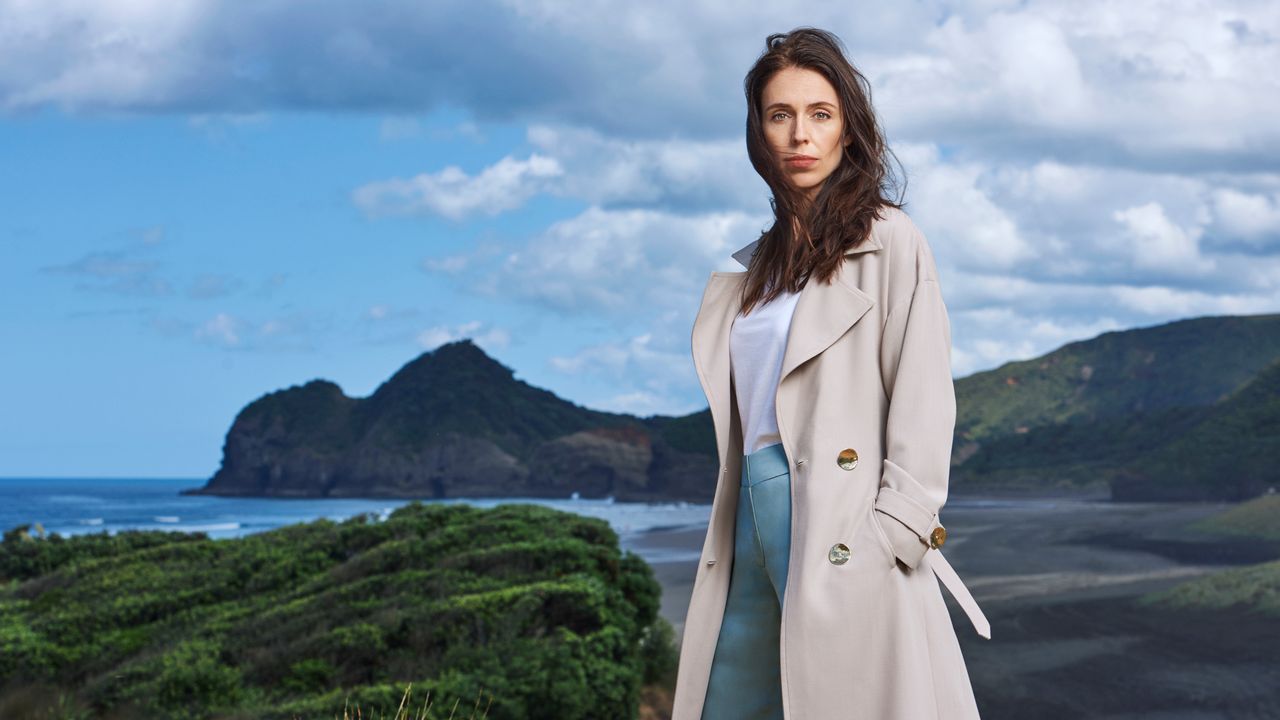
At a time when global politics often favors the over-rehearsed and meticulously polished, former New Zealand Prime Minister Jacinda Ardern offered an arresting departure. Her leadership was marked not by timeworn conventions or grandiose displays, but by a deeply considered visual presence—an organic authenticity that resonated far beyond her home country. In the recent Vogue feature, the power of Ardern’s style becomes a lens through which we can understand the evolving face of authority, empathy, and public expectation.
There are those rare moments in modern politics where substance and style converge in such a manner that it shifts public consciousness. Jacinda Ardern embodies this intersection with a quiet certainty. Her sartorial approach—never ostentatious, often consciously understated—forms part of a deliberate strategy. Her choices were not mere afterthoughts or dictated by a revolving stable of stylists, but seamless extensions of her core values.
In public life, she often favored local designers, lending visibility to the New Zealand fashion industry while reinforcing a sense of community allegiance. Rather than embracing the wardrobe armor traditionally favored by political leaders, Ardern wore what she truly believed in—draped silks from Kate Sylvester, structured blazers by Juliette Hogan, or her ubiquitous kākahu (a Māori cloak). Each choice paid homage to her heritage and the multicultural story of her nation. In doing so, Ardern quietly disrupted the archetype of power-dressing—balancing gravitas with accessibility, and forging a new visual language for leadership.
Ardern’s visual diplomacy gained global prominence after the Christchurch mosque shootings in 2019. Images of the Prime Minister—draped in a black headscarf, face etched with empathy—circled the world, encapsulating not only her solidarity with the Muslim community, but her refusal to use the apparatus of office as armor. She wore her vulnerability as clearly as she did her clothing, communicating a potent kind of strength. In this, she reframed the aesthetic vocabulary of power away from domination and toward care and connection.
Changes in the way global leaders communicate have been swift, driven by 24-hour news cycles and the permanence of social media. What Ardern mastered, which remains elusive to many counterparts, is the intertwining of visual iconography and democratic values. By openly supporting the work of local artisans and Māori creators, she activated her clothing as a statement of intent—celebrating local craft as an incubator for national pride. Her wardrobe became a platform to champion inclusion, uplift marginalized voices, and foster dialogue, connecting the personal with the political in subtle but resourceful ways.
Perhaps what sets Jacinda Ardern apart is her understanding that authenticity is the new currency of trust. Where political leaders have traditionally hidden behind uniformity or feigned nonchalance, Ardern’s transparency—through both words and attire—elevated her above traditional critiques of performativity. It is not that she lacked polish or poise; rather, her self-styling projected the measured confidence of someone comfortable with nuance and contradiction.
This is leadership that acknowledges emotion, aligns personal history with public narrative, and uses every available means, sartorial or otherwise, to foster genuine connection. The carefully chosen garments, the subtle gestures of respect across cultural lines, and the authentic willingness to sit with discomfort—all of these elements reconfigure the optics of power.
As Ardern steps away from the day-to-day gravity of office, the influence of her tenure—as evidenced by global and local reverberations—has not subsided. Her legacy invites us to ask critical questions about how we wish to be represented, and what we expect from those we choose to lead us. It is a legacy rooted not simply in political decisions, but in the way she moved through public life: approachable in demeanor, intentional in dress, and unwavering in her commitment to progress.
In a cultural moment shaped by fracture and flux, Jacinda Ardern’s nuanced approach offers both inspiration and blueprint. Her story, as captured so elegantly in the pages of Vogue, is a compelling reminder that the most resonant authority often arrives not in the trappings of dominance, but in the courage to dress—and to lead—with heart.